
Oral health affects the overall long-term health of the body and the quality of life. According to the World Health Organization, more than 20% of adults between the ages of 35 and 44 suffer from periodontal disease, which is a leading cause of premature loss of one or more teeth.
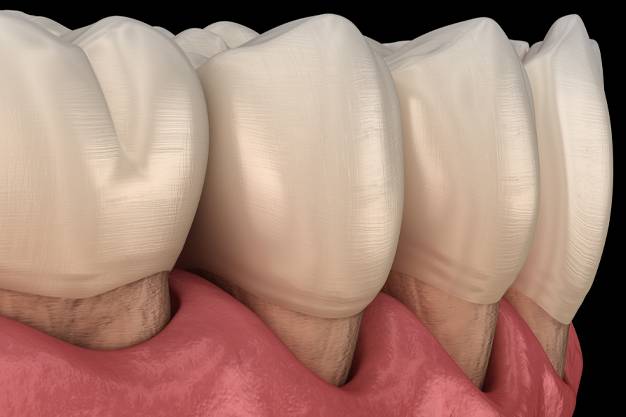
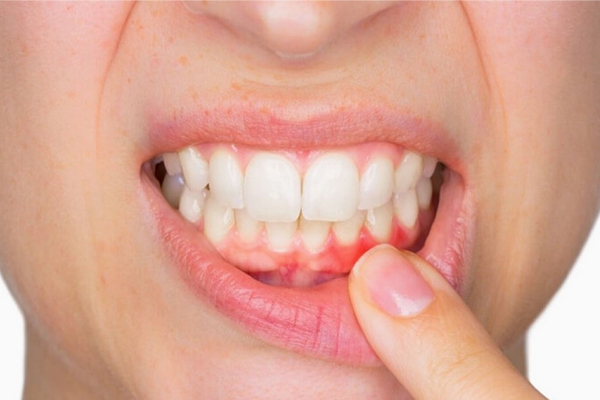
Periodontal disease is one of the most common dental diseases in the world and can be identified by inflammation and redness of the soft tissues around the tooth (gum). In the more advanced stages, these symptoms are accompanied by bleeding during brushing, gingival retraction, chewing pain and even the appearance of tooth mobility on the arch, possibly leading to its loss.
Causes of periodontal disease:
Many bacteria live in the oral cavity. These, together with other substances in the daily diet, form a sticky film that settles on the teeth and forms plaque. The main cause of periodontal disease is poor dental hygiene which promotes the accumulation of excess plaque on the teeth and under the gums. To combat this bacterial film that settles on the teeth at any time of the day, the body releases substances that lead to inflammation and redness of the gums. This is also the first sign that there is a problem that needs to be treated with the help of the dentist.
Early signs of periodontal disease:
- Bad breath
- Red, swollen or bleeding gums when brushing
- Gum retraction
- Sensation of pain when chewing food
- Movable or sensitive teeth
- Tooth loss

